
Thin Film Coating Defects: Striations, Chuck Marks, Skin Failures (Insight from Prof. D. P. Birnie III)
In the field of thin-film materials processing, Prof. Dunbar P. Birnie III has built a reputation as one of the leading researchers exploring how high-quality coatings can be produced from solution-based methods. His work has significantly advanced the scientific understanding of spin-coating, sol-gel chemistry, and defect formation in thin films, helping researchers and engineers improve coating reliability for electronics, optics, and advanced materials applications.
Understanding Defects in Thin Film Coatings
One of Prof. Birnie’s most impactful contributions is his work on diagnosing and understanding defects in spin-coated films. Even minor imperfections in thin films can cause failures in high-precision devices, making defect analysis essential for improving manufacturing reliability.
His studies have identified key signatures associated with common coating defects, including:
1. Striations
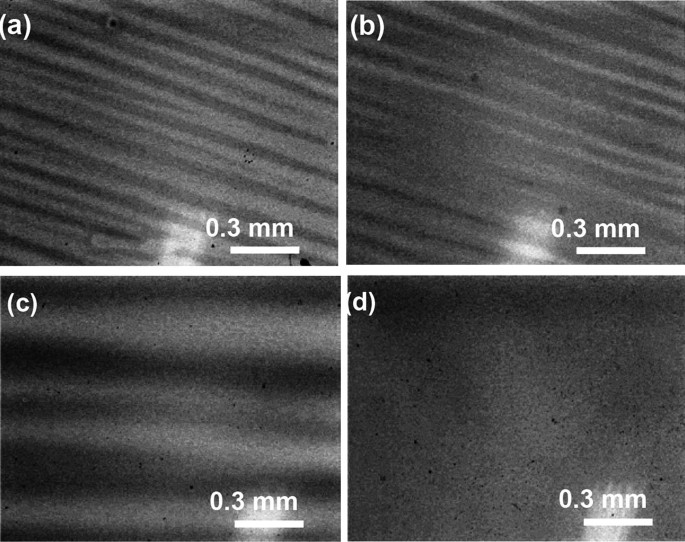
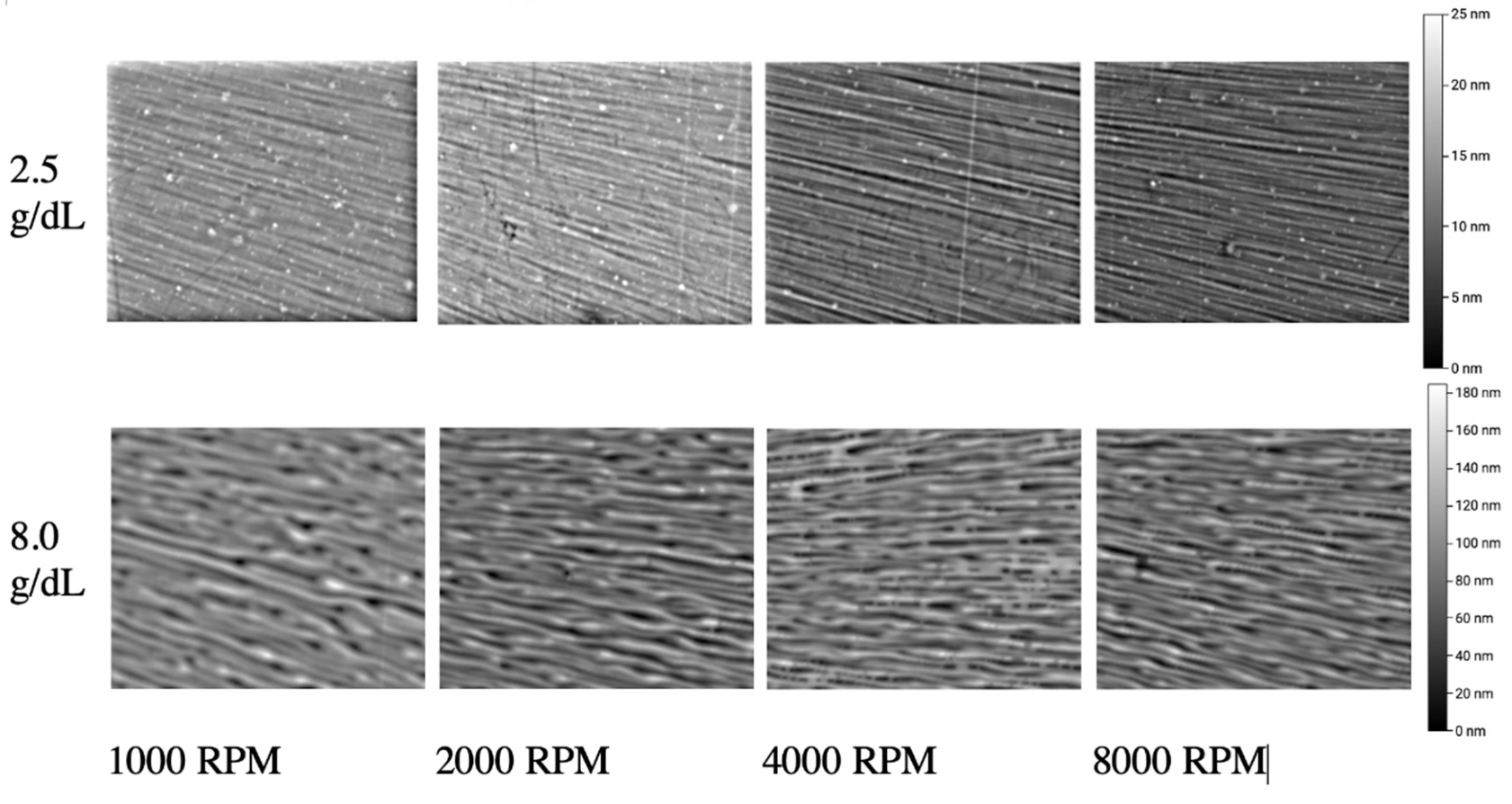
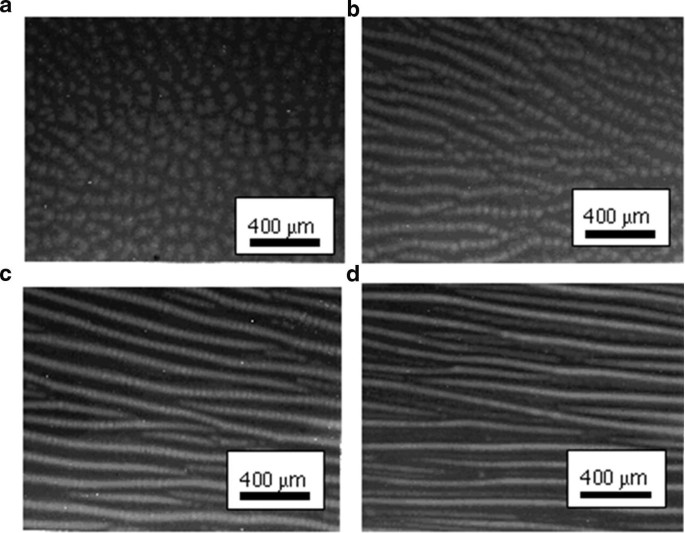
Striations appear as radial streaks or thickness variations across a coated surface. They are often caused by:
- Instabilities during solvent evaporation
- Flow disturbances during spinning
- Variations in solution properties
By studying the patterns of these striations, researchers can determine the underlying fluid dynamic mechanisms responsible for the defect.
2. Chuck Marks

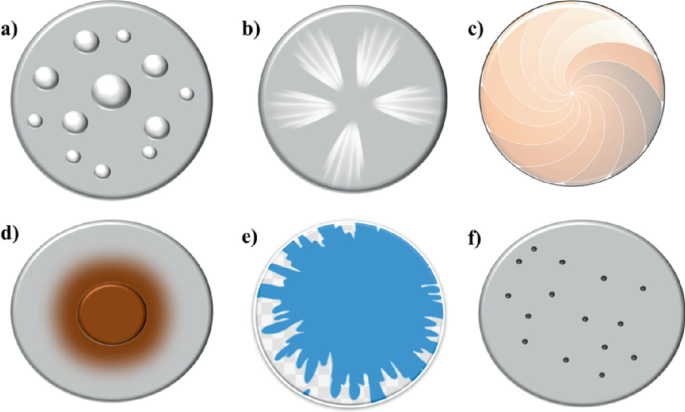

Chuck marks originate from interactions between the substrate and the vacuum chuck that holds the wafer during spinning. Pressure variations or mechanical imprinting can lead to circular or patterned thickness variations in the coating.
Understanding these patterns allows researchers to improve:
- Chuck design
- Vacuum distribution
- Substrate handling methods
3. Skin Failures


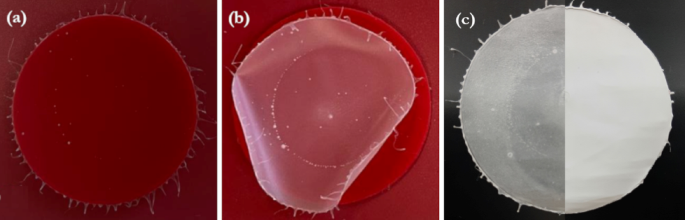
Skin failures occur when the surface of a coating dries too quickly, forming a solid “skin” while liquid remains underneath. As the solvent continues to evaporate from below, the skin can:
- Crack
- Wrinkle
- Collapse
Prof. Birnie’s work has helped researchers understand the kinetic balance between solvent evaporation and film solidification, enabling strategies to avoid these failures.
Improving Coating Uniformity for Advanced Applications
Through his studies of coating physics and chemistry, Prof. Birnie has helped establish methods for improving film thickness uniformity and coating reliability.
These improvements are critical for applications such as:
-
Semiconductor device fabrication
-
Optical coatings
-
MEMS devices
-
Photonic materials
-
Advanced ceramic thin films
His work bridges fundamental materials science and practical engineering, helping laboratories and industrial manufacturers diagnose coating problems and refine their processes.
Impact on Modern Thin-Film Research
The insights generated by Prof. Birnie’s research have influenced both academic research and industrial coating processes. By combining detailed experimental observation with theoretical understanding, he has provided a framework for interpreting coating defects and optimizing solution-based thin film fabrication.
For laboratories working with spin-coating and sol-gel chemistry, these diagnostic principles remain essential tools for achieving high-quality, defect-free coatings.
Conclusion
Prof. Dunbar P. Birnie’s contributions to thin-film science highlight the importance of understanding both materials chemistry and coating dynamics. His research on spin-coating, sol-gel chemistry, and defect diagnostics continues to guide scientists and engineers in developing more reliable and uniform coatings for next-generation technologies.